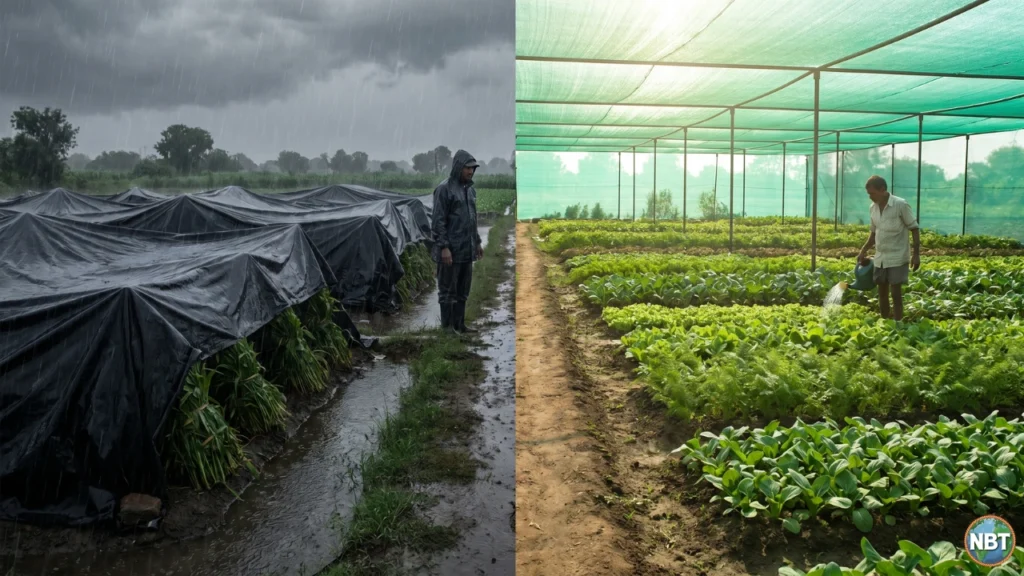
For dairy farmers, the difference between a profitable season and a loss often comes down to one thing: fodder management.Most small-scale farmers don’t struggle because of poor breeds; they struggle because they lose high-quality fodder to spoilage or seasonal shortages.
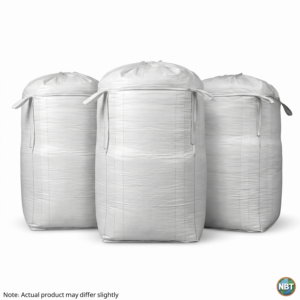
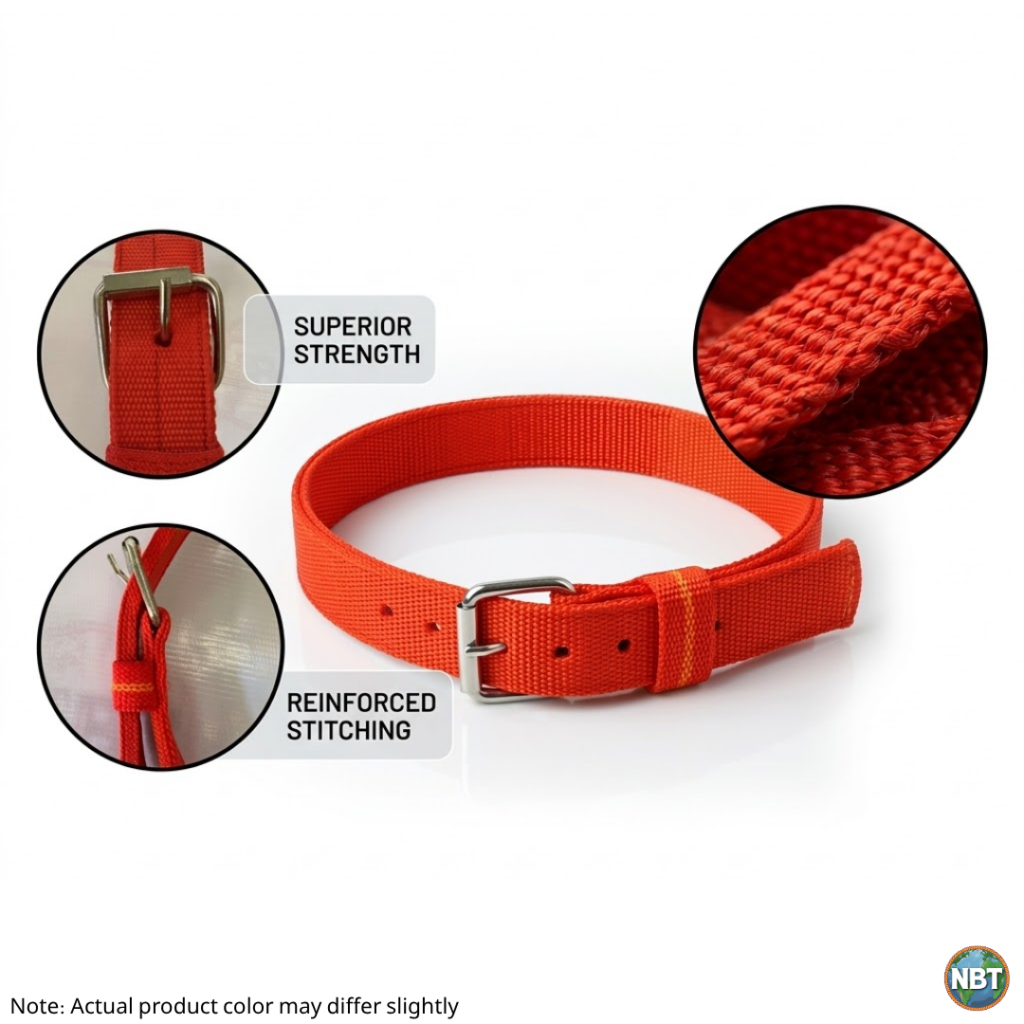
This is where 1-Ton Silage Bags (Murghas Bags)become a game-changer. At nbt-ropes, we provide heavy-duty, UV-resistant storage solutions that allow you to lock in nutrition today and feed your cattle during the dry summer months.
What is Silage (Murghas)?
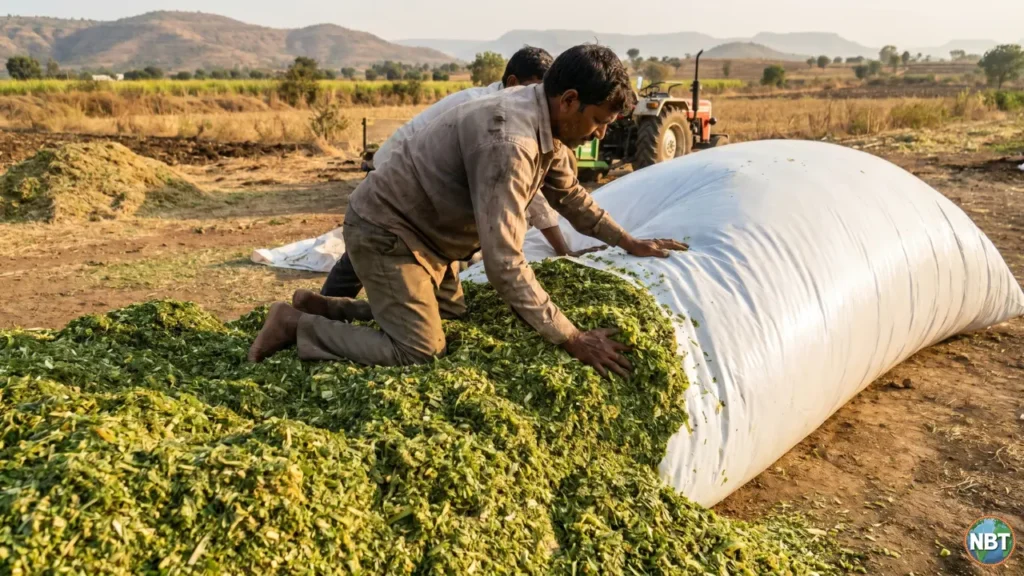
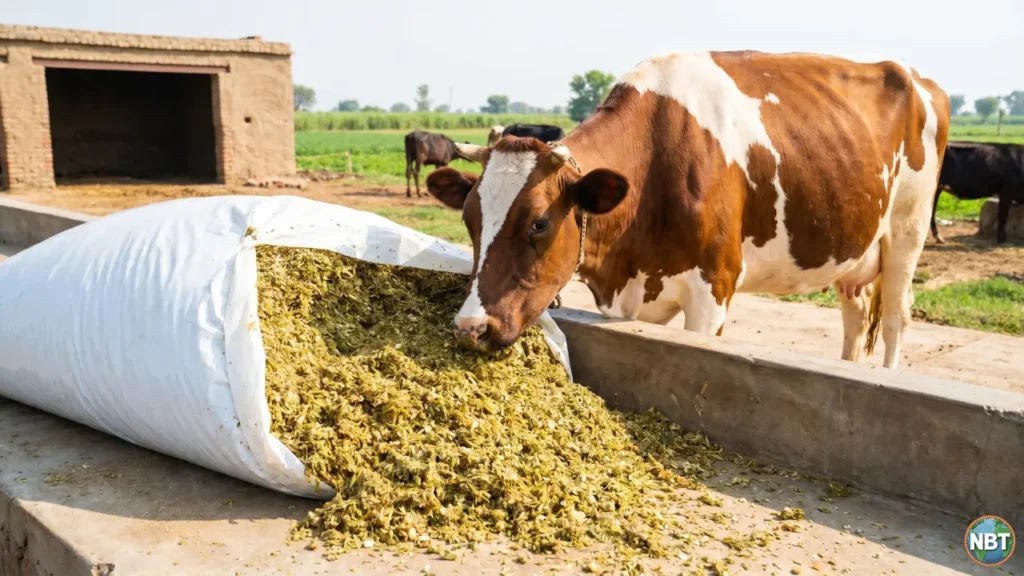
Silage is “pickled” green fodder. By storing crops like Maize, Sorghum, or Napier grass in airtight conditions, you trigger a natural fermentation process. This preserves the nutrients and keeps the fodder fresh, juicy, and highly digestible for up to a year.
Why the 1-Ton Bag is Perfect for Small Farmers
If you have 2 to 6 cattle, you don’t need a massive concrete bunker. You need a portable, affordable 1-ton solution.
- Feeding Capacity: One 1-ton (1000 kg) bag can feed 5 cows for about 15 days.
- Single Cow Use: If you have only one cow, a single bag provides high-quality feed for roughly 2 months (50–60 days).
- Daily Requirement: A healthy, high-yielding cow needs about 15–20 kg of murghas per day to maintain peak milk production. 🥗
Step-by-Step: How to Make High-Quality Silage
Step 1: Harvest at the “Milk Stage”
For Maize, harvest when the grain is in the “milk to dough” stage. This is when sugar levels are highest, ensuring better fermentation.
Step 2: Proper Chapping
Chop the fodder into small 1–2 cm pieces. Smaller pieces allow for tighter packing, which eliminates the enemy of silage: Air.
Step 3: Moisture Check
Moisture should be between 60–70%.
- The Squeeze Test: Take a handful and squeeze. It should feel moist and hold its shape, but water should not drip out.
Step 4: Use Culture Powder
Don’t skip this! Silage culture powder speeds up the growth of “good bacteria.”
- Mix the powder in water and sprinkle it evenly on every layer as you fill the bag. This ensures faster fermentation and prevents spoilage.
Step 5: Pack and Compress (The Most Critical Step)
Fill the bag layer by layer. Use your feet or a heavy weight to compress the fodder. Air pockets lead to fungus. You want the bag to be as hard and tight as a stone.
Step 6: Seal and Store Safely
Once the air is removed (using a vacuum pump if possible), seal the bag tightly. Store it on a raised platform (3–4 feet high) to protect it from rainwater and rodents.
How to Identify “Success” vs. “Failure”
| Good Silage (Gold Standard) | Bad Silage (Do Not Feed!) |
| Color: Light green or golden brown | Color: Black or dark slimy green |
| Smell: Mild, pleasant sour/vinegar smell | Smell: Rotten, putrid, or foul odor |
| Texture: Firm and moist; no mold | Texture: Sticky, moldy, or slimy |
Economic Benefits for Farmers
- Stable Milk Yield: Consistent nutrition means your milk output doesn’t drop during the summer “green fodder crisis.”
- Zero Waste: You use 100% of the plant, including the stalks that cattle usually reject when dry.
- Low Risk: 1-ton bags allow you to start small without investing in expensive machinery.
Frequently Asked Questions (FAQ)
If the bag is properly sealed and kept away from sharp objects, silage can be stored for 10–12 months. The key is maintaining that airtight vacuum seal
While these are heavy-duty PP bags, we recommend reusing them only if they are completely free of holes. Even a tiny puncture lets air in, which will spoil your next batch. For the best results, use a fresh bag each season.
Maize (Corn) is the gold standard because of its high sugar content, which ferments easily. However, Sorghum and Napier grass are also excellent alternatives commonly used.
Air will enter, and the fodder around the hole will turn black and moldy. If this happens, discard the spoiled part immediately and patch the hole with heavy-duty tape, though the quality may still be affected.
Yes! Silage retains almost all the nutrients of the fresh plant, whereas dry fodder loses a significant amount of energy and protein during the drying process. Silage leads to better animal health and higher milk fat content.
While manual pressing (stomping) works, using a small vacuum pump helps remove deep-seated air pockets, significantly increasing the quality and shelf-life of your Murghas.
You can order high-quality, UV-protected Silage Bags directly from nbt-ropes.com. We are expert suppliers for Sangli, Kolhapur, Satara, and Pune, offering Pan-India shipping and a 7-day return policy
Yes, as long as the silage is of good quality (not moldy). In fact, the consistent nutrition helps the mother stay healthy during the late stages of pregnancy.
Stop wasting fodder and start securing your farm’s future.👉Get your 1-Ton Silage Bags at nbtropes.com today!